
What should a garage, basement, or shop concrete floor be designed to handle?
Belleville Best Concrete provides garage, basement, and shop concrete floors for homes, cottages, farms, workshops, storage buildings, and small commercial spaces across Belleville, the Bay of Quinte, and Prince Edward County. This service is needed when a new building needs a floor, an old slab is cracked or uneven, equipment is being added, or the owner wants a clean surface that can later receive a coating. Good concrete starts below the finished surface. The base, drainage, thickness, reinforcement, joints, finish, and curing must all suit the way the area will be used. A professional plan matters because concrete is heavy, permanent, and hard to correct after it has set. Call us when you want the project measured, the site conditions reviewed, and the work explained in plain language before a price is prepared.
What problems show that garage, basement, and shop concrete floors may need work?
Common warning signs include dusting, wide cracks, low spots, water at doors, damaged drain areas, uneven lift points, surface scaling, and floors that are hard to clean or coat. These signs tell us that the surface, base, drainage, or load may no longer be working as intended. Small cracks do not always mean the whole slab has failed, but a change in width, height, or water flow deserves attention. Ignoring clear damage gives rain, snowmelt, salt, and frost more time to reach weak areas. Professional review is useful because the visible mark is not always the true cause. We look at the whole area before suggesting repair, a full rebuild, or a new installation.
Why do garage, basement, and shop concrete floors crack, sink, or wear out?
Problems with garage, basement, and shop concrete floors often come from poor base support, moisture, frost at door edges, heavy loads, weak concrete, missing joints, bad drainage, or a finish that does not match the coating or use. Belleville and the Quinte region have wet seasons, winter frost, road salt, and repeated freezing and thawing. Those conditions can move water and soil below concrete. The wrong fix only hides the result for a short time. For example, filling a crack will not stop a slab that is still sinking. Professional work begins by checking the base, drainage, loads, edges, and nearby structures. Once the cause is understood, the new work can be built to reduce the same problem from returning.
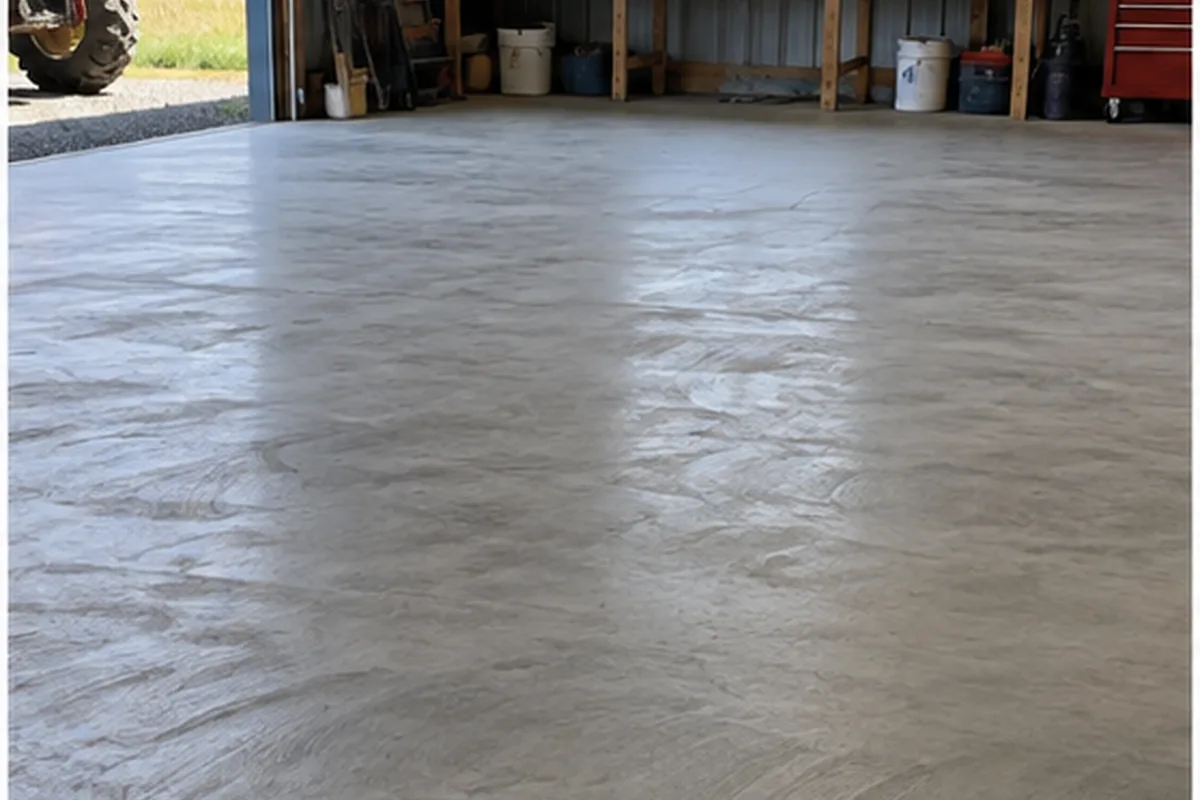
What can happen when problems with garage, basement, and shop concrete floors are ignored?
Problems with garage, basement, and shop concrete floors rarely improve on their own. Floor damage can affect vehicles, shelving, lifts, equipment, coatings, and drainage. Moisture or movement hidden under a new coating often causes the coating to fail. Water entering a crack can freeze, expand, and break more concrete. Movement can also affect doors, drains, curbs, coping, steps, walls, or other connected work. Waiting may turn a small repair into a larger removal and rebuilding project. Safety is another reason to act when there are raised edges, loose pieces, unstable sections, or poor drainage. A professional can explain whether the area should be watched, repaired soon, or taken out and rebuilt.
How is a professional project planned for garage, basement, and shop concrete floors?
Professional work for garage, basement, and shop concrete floors starts with the use of the space and the condition of the site. We review the room use, loads, base, insulation, vapour control, drains, door heights, reinforcement, joints, equipment pads, finish, curing, and coating requirements. The plan must also cover removal, disposal, utility locates, weather, protection of nearby property, and when the area can return to use. Each step affects the next one. Strong concrete placed on a weak or wet base can still fail. A good finish cannot correct a bad slope. Clear planning helps the crew, owner, and other trades understand what is included and avoids costly changes after excavation or forming has started.
Which finish or design is best for garage, basement, and shop concrete floors?
The best finish for garage, basement, and shop concrete floors depends on traffic, water, cleaning, appearance, and future care. A garage or shop may use a machine-trowelled, sealed, or coating-ready finish. Basements can need different moisture and service details. The final use should be known before finishing starts. Exterior concrete needs texture and slope that make sense in rain, snow, and winter use. Interior concrete must suit drains, equipment, shelves, coatings, or cleaning methods. Decorative options should be chosen from real samples when possible because screens do not show colour and texture perfectly. We help narrow the choices so the final surface fits the property and does not trade basic performance for looks alone.
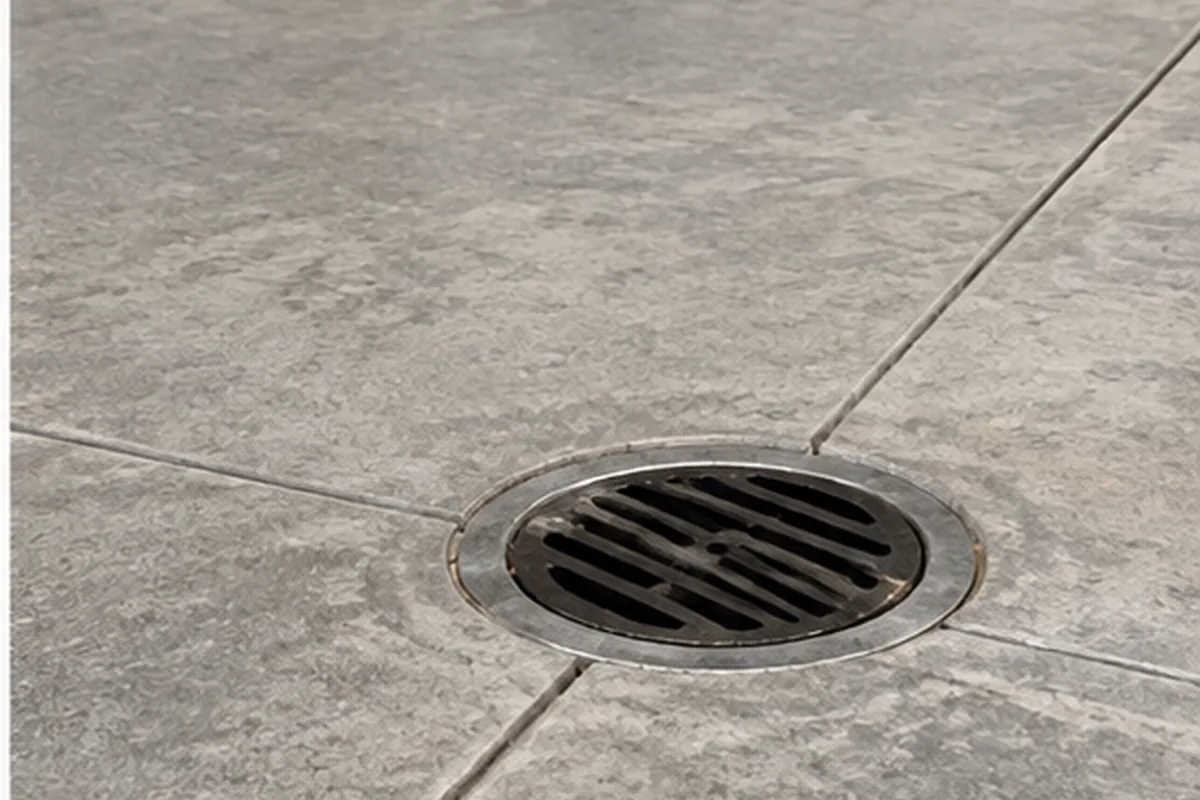
Why do base preparation, joints, and curing matter?
Base preparation supports garage, basement, and shop concrete floors and helps water leave the area instead of staying under the slab. Joints give normal shrinkage a planned place to happen. Reinforcement may help hold sections together or meet a design, but it does not stop every crack. Curing keeps moisture and temperature conditions under control while the concrete gains strength. If any of these steps are rushed, the surface can crack, settle, dust, scale, or wear too soon. Professional crews plan these details before the concrete truck arrives because they cannot be added properly after the pour.
What should you tell us before requesting an estimate for garage, basement, and shop concrete floors?
A useful estimate for garage, basement, and shop concrete floors starts with clear facts. Provide the floor size, building use, vehicle and equipment loads, lift locations, drains, heating or insulation plans, door heights, coating product details, and construction drawings. Also mention the property community, desired timing, nearby buildings, trees, utilities, septic systems, property lines, public sidewalks, or work by other trades. Photos from several angles are helpful, but they do not take the place of a site review when grades, structure, or access must be confirmed. Call Belleville Best Concrete at (613) 707-5053 or use the contact form. We can then decide what details are still needed and whether the project is ready for an on-site estimate.
Discuss your project
Share the location, scope, timing, and any site conditions that may affect the work.